


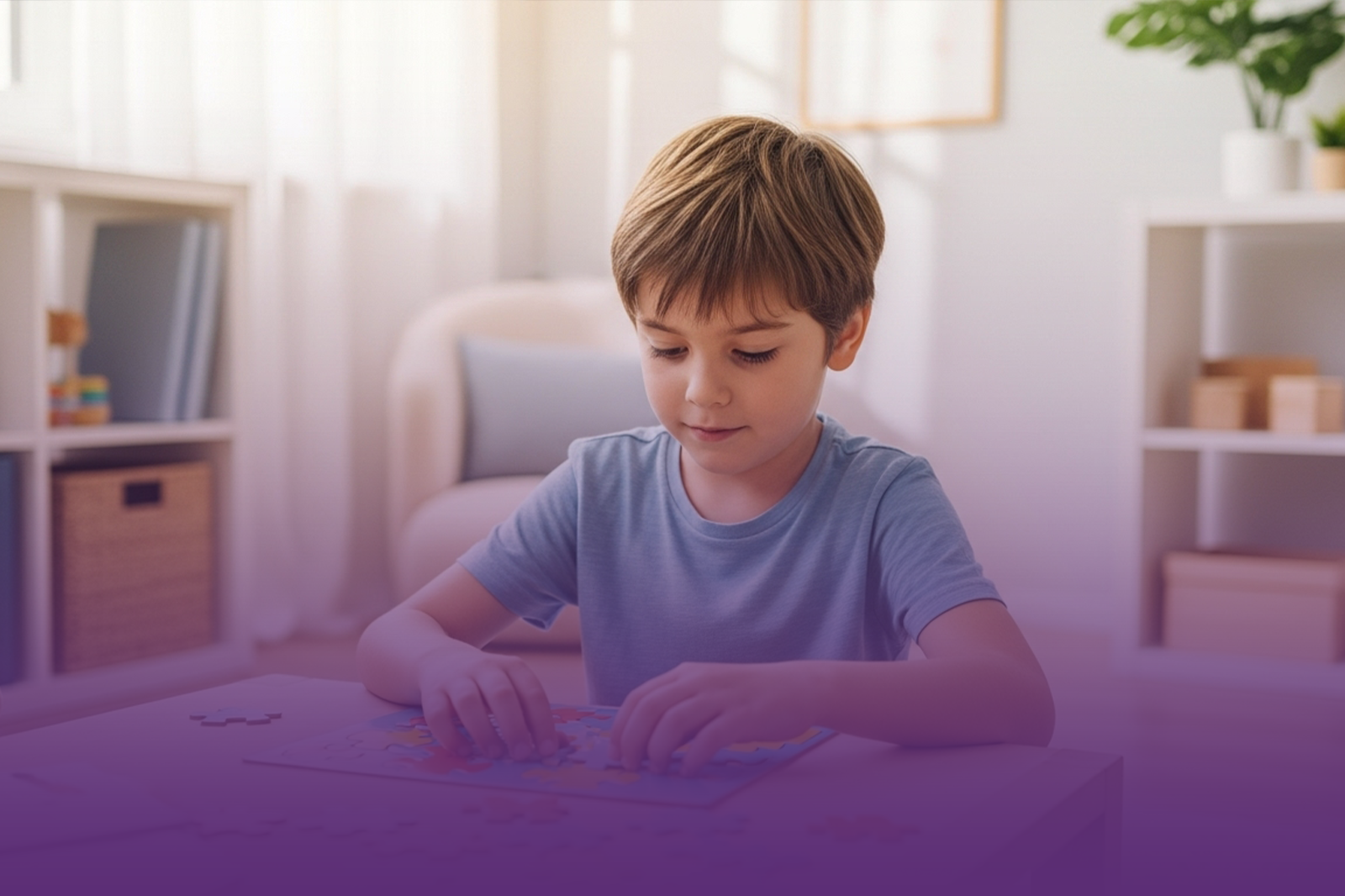




Description
Emotional Intelligence Adventure Course – EQ Adventure
The KNooz Academy for Training offers a unique program titled Emotional Intelligence Adventure – EQ Adventure, an interactive educational journey aimed at developing emotional intelligence in children through enjoyable activities and real-life experiences that help them understand themselves and others more deeply.
The course aims to build strong emotional and behavioral awareness in children, making them more balanced, empathetic towards others, and better able to form healthy relationships.
EQ Adventure combines science and play, providing children with the tools to teach empathy, enhance their emotional communication skills within school, home, and society.
The Concept of Emotional Intelligence for Children and Its Importance
Emotional intelligence for children is defined as the child’s ability to recognize and manage their own emotions, understand others’ feelings, and build successful, balanced relationships.
The course relies on practical applications that enable the child to turn self-awareness into an effective life skill.
Self-awareness of Emotions
Teaching children to safely and healthily notice their feelings of sadness, joy, or fear.
Emotional Regulation
Training children to handle their emotions healthily through breathing exercises and expression.
Developing Positive Relationships
Teaching children the importance of social intelligence in building friendships based on respect and understanding.
Teaching Empathy to Children as the Basis of Emotional Intelligence
This section focuses on the role of teaching empathy to children in nurturing humanity, compassion, and cooperation among young people.
Defining Empathy
Empathy is the ability to understand others’ feelings and respond with awareness and kindness.
Daily Empathy Activities
Using daily situations as opportunities to teach children empathy in a simplified and enjoyable way.
Encouraging Positive Behavior
Every empathetic action is rewarded, encouraging children to engage in positive social interactions.
Emotional Communication Skills for Children
Participants in the course learn how to develop emotional communication skills that help children express their feelings in clear and respectful language.
Using Words Instead of Actions
Teaching children how to describe their feelings rather than resorting to aggression or withdrawal.
Active Listening
Active listening is one of the most important skills of emotional intelligence for children.
Communication Through Tone and Expression
Understanding facial expressions and tone of voice is key to developing emotional intelligence in children.
Understanding Others’ Emotions and Enhancing Social Relationships
This module focuses on teaching children how to understand and consider others’ emotions in their daily interactions.
Observing Body Language
Teaching children to observe facial expressions and gestures that communicate emotions.
Asking Thoughtful Questions
Encouraging children to inquire about how their friends feel, reinforcing the concept of empathy.
Sharing Emotions
Sharing positive feelings such as joy or gratitude enhances positive interaction skills.
Developing EQ for Children in an Interactive and Fun Way
Through EQ Adventure, enjoyable exercises are applied to develop children’s EQ in a way that blends entertainment and education.
Storytelling Activities
Short stories featuring emotional situations that train children to handle emotions healthily.
Group Games
Collaborative activities enhance cooperation and understanding, growing children’s social intelligence.
Creative Expression Exercises
Drawing and acting help children transform emotions into constructive behavior.
Dealing with Emotions in a Healthy and Balanced Way
This section addresses how to manage emotions in a healthy way without repression or outbursts, training children to maintain positive control over their reactions.
Expressing Sadness or Anger
Teaching children how to express their emotions without harming themselves or others.
Calming Techniques
Using breathing, counting, and writing to express negative emotions.
Positive Release
Play and drawing are natural tools to improve emotional communication skills.
Teaching Empathy to Children and Building Emotional Understanding
This section emphasizes teaching empathy practically through shared social activities.
Teamwork
Collaborative activities strengthen the value of social intelligence in children.
Role Reversal
Having children experience others’ emotions by acting out situations increases understanding of others’ feelings.
Community Involvement
Simple initiatives like volunteering or helping others enhance positive interaction skills.
Social Intelligence for Children and Its Role in Personality Development
This part focuses on the concept of social intelligence for children and how it enables children to interact smoothly and respectfully within their environment.
Mindful Interaction
Understanding social context and acting kindly and wisely.
Recognizing Differences
Teaching children to respect cultural and emotional diversity.
Enhancing Social Leadership
A child with emotional intelligence is more capable of persuasion and leadership.
Positive Interaction Skills for Children
Positive interaction skills are fundamental in building a child’s social and emotional character.
Positive Responses
Teaching children to respond kindly even in disagreement.
Sharing and Respect
Involving children in daily dialogue enhances the development of their EQ.
Positive Verbal Expression
Choosing words that encourage cooperation and love within the EQ Adventure program.
The Emotionally Aware Child
The course aims to shape an emotionally aware child capable of understanding themselves and others, and exercising control over their emotions in an elegant manner.
Building Self-Awareness
Understanding their emotions helps children make more mindful decisions.
Balancing Emotions and Behavior
Teaching children how to translate their emotions into positive actions enhances healthy emotional interactions.
Emotional Independence
An emotionally aware child can face pressures with confidence and calmness.
Outcomes of the Emotional Intelligence Adventure – EQ Adventure by KNooz Academy for Training
Upon completion of the program, participants will be able to:
- Apply emotional intelligence skills in everyday life situations.
- Develop the ability to teach empathy to children in practical ways.
- Improve emotional communication skills in the family and educational environments.
- Help children handle emotions in a healthy and balanced way.
- Enhance children’s social intelligence to build empathetic and leadership-oriented personalities.
- Use activities to develop EQ in fun ways.
- Cultivate emotionally aware children capable of understanding themselves and their environment with emotional maturity.
The Emotional Intelligence Adventure – EQ Adventure by KNooz Academy for Training is not just a course but a journey of self-discovery and building healthy relationships. Through emotional intelligence for children and teaching empathy, young people learn how to live with internal balance and external peace.
This program helps develop EQ in children and instills values of emotional communication skills and positive interaction skills, making each emotionally aware child capable of understanding the world around them with human warmth and mindfulness.
Reviews
There are no reviews yet.