






Description
Healing Traumatized Kids Course
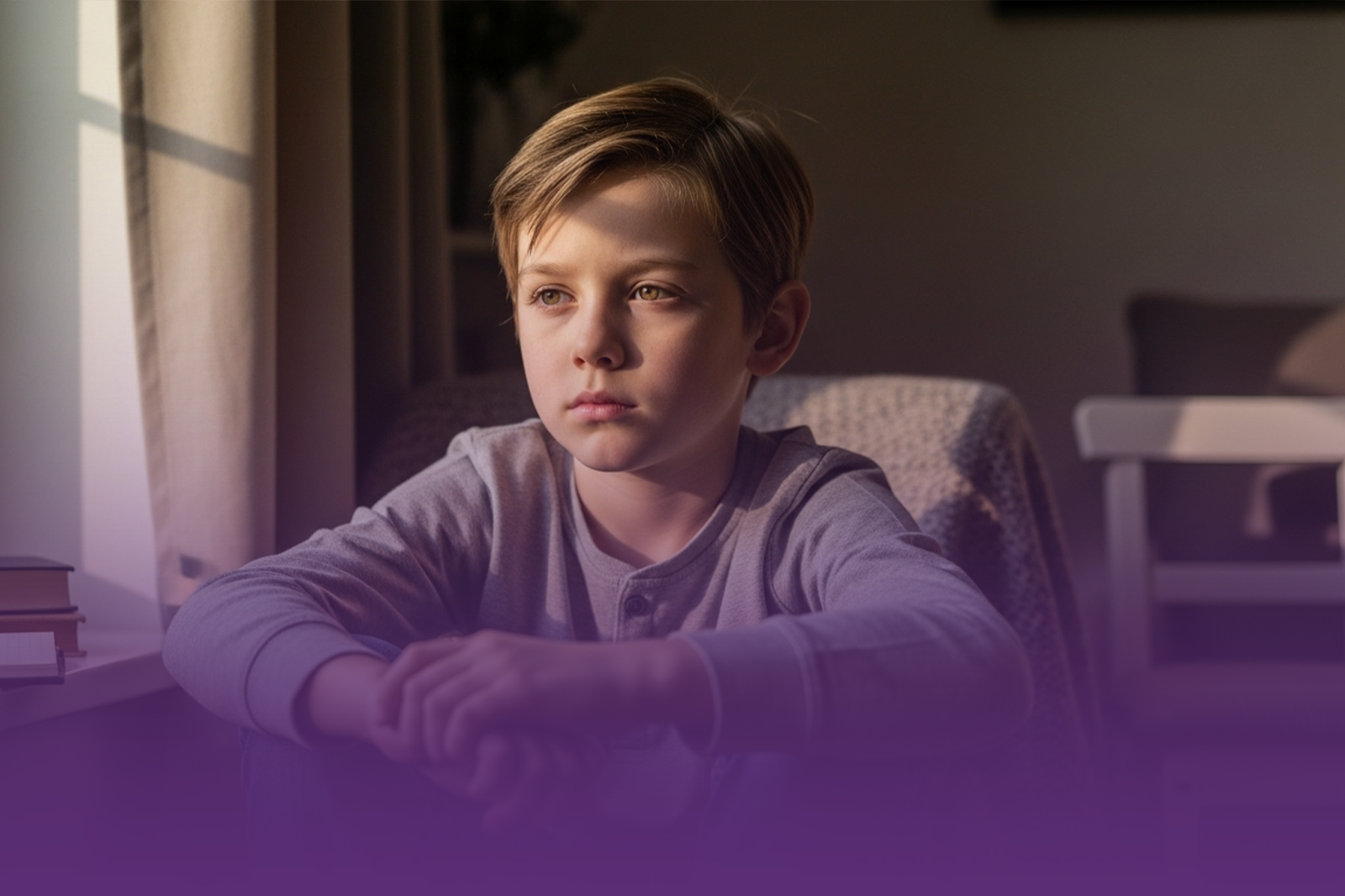
KNooz Academy for Training offers an in-depth and humanitarian program aimed at helping traumatized children recover from the effects of fear, loss, or painful experiences they may have gone through.
This course equips parents, educators, and therapists with scientific and practical methods to provide psychological support to children and create a safe environment that fosters emotional healing and healthy development.
The program combines modern psychological sciences with educational applications, enabling families to consciously support their child through trauma, helping them overcome their pain with confidence and calm.
Understanding the Traumatized Child
The first step toward healing is understanding the emotions of a traumatized child. Children often express pain in ways that are not just verbal but through behavior, silence, and sudden mood changes.
Identifying Early Signs
Signs include withdrawal, excessive fear, sleep disturbances, or difficulties in school. Recognizing these signals is crucial to applying timely trauma treatment for children.
The Importance of Listening and Acceptance
Allowing the child to express themselves freely without judgment or blame helps reduce internal tension and builds trust in the family environment.
The Role of the Family in Supporting the Child
Parents are the primary emotional support for a child recovering from trauma. Their involvement is crucial in providing stability, empathy, and encouragement.
Trauma Treatment for Children through Educational and Psychological Steps
This section focuses on a scientific approach to treating trauma in children through a combination of emotional support, behavioral activities, and specialized psychological assistance.
Art and Talk Therapy
Encouraging the child to express their feelings through drawing or storytelling is one of the most effective ways to deal with a traumatized child.
Rebuilding a Sense of Safety
Providing the child with a stable environment and daily routines helps them regain trust in those around them.
Professional Support
Working with licensed psychologists contributes to tangible results in treating child trauma.
Psychological Support for Children After Trauma
Providing psychological support for children goes beyond therapy sessions. It includes every moment in which the child feels held and cared for. The course explains simple daily practices that parents can apply at home.
Active Listening
Listening attentively to what the child says without immediately trying to fix their feelings makes them feel accepted.
Positive Communication
Kind words and a gentle touch leave a profound impact on a traumatized child.
Encouraging Emotional Expression
Encouraging the child to talk about their dreams and fears is an important step in coping after trauma.
The Sad or Traumatized Child and the Role of the Family in Supporting Them
The course discusses how to help the sad or traumatized child after difficult events, whether it’s a loss, separation, or other painful experiences.
Establishing a Daily Routine
Routine restores a sense of stability and reduces feelings of anxiety and fear.
Expression Through Play
Play is one of the best methods for alleviating psychological pressure and improving children’s mental health.
Avoiding Directed Questions
Allowing the child to choose what they want to talk about preserves their privacy and increases their sense of safety.
Coping After Trauma and Stages of Psychological Recovery
This section focuses on developing coping skills through gradual steps that help the child regain their emotional and social balance.
Accepting Negative Emotions
It is natural for a traumatized child to feel fear or anger, and these emotions should be accepted without denial.
Positive Motivation
Encouraging the child to engage in their daily activities helps them gradually return to a normal life.
Building Emotional Resilience
Equipping the child with coping skills for future challenges protects them from emotional setbacks.
Supporting the Psychologically Affected Child
The traumatized child needs careful handling that respects their emotional state, balancing tenderness with firmness. The course teaches parents how to contain their child’s emotions without overprotecting or diminishing the significance of the trauma.
Listening and Embracing
Unconditional love is the most powerful psychological treatment parents can provide.
Involving the Child in Decision-Making
Giving the child simple choices restores their sense of control and helps alleviate the effects of trauma.
Continuity of Support
Continuous psychological support is essential even after the child’s condition appears to improve.
Tips for Helping Children After Trauma
The program offers a set of tips for helping children after trauma, focusing on home environments and daily interactions after painful events.
Talking About the Event Gradually
Encouraging the child to talk about the event at their own pace helps them process their emotions.
Providing Physical and Emotional Safety
The child needs to feel that their environment is safe, both at home and at school.
Avoiding Threats or Reprimanding
Gentle handling is key to successfully treating trauma and reducing the child’s internal fear.
Dealing with the Traumatized or Aggressive Child
Some children may show violent reactions after trauma. The course explains how to handle such situations calmly and professionally.
Understanding Defensive Behavior
Anger may be the child’s way of expressing fear, not actual aggression.
Responding with Containment, Not Punishment
Parents are taught how to turn negative situations into positive therapeutic experiences.
Seeking Professional Help
In complex cases, professional intervention is recommended to ensure gradual improvement in the child’s mental health.
The Child’s Mental Health After Traumatic Events
Children’s mental health is integral to their healing process, as it determines their ability to learn, communicate, and grow in a balanced way.
Regular Psychological Checkups
Assessing the child’s emotional and behavioral condition helps identify any early warning signs of potential issues.
Preparing the School
Training teachers to deal with traumatized children prevents exacerbation of their condition.
Positive Group Activities
Participation in artistic and social activities enhances coping after trauma in a natural way.
Family Support for the Child and Its Role in Recovery
Family support is the cornerstone of the recovery journey, providing the child with love, reassurance, and ongoing care.
Constant Presence
Emotional and physical presence from parents eases the child’s feelings of loneliness.
Open Dialogue
Honest conversations about emotions support the traumatized child and build mutual trust.
Encouraging Shared Activities
Engaging in family activities restores hope and strengthens familial bonds.
Outcomes of the Healing Traumatized Kids Course by KNooz Academy for Training
After completing the course, participants will be able to:
- Apply effective trauma treatment strategies for children.
- Provide psychological support to children at home and school.
- Understand the needs of a sad or traumatized child.
- Implement a successful trauma recovery plan.
- Care for the psychologically affected child in a scientific and humane way.
- Follow essential tips for helping children after trauma on a daily basis.
- Achieve a healthy mental balance for children through continuous family support.
The traumatized child does not need constant correction but rather love, safety, and ongoing emotional support.
Through the Healing Traumatized Kids course by KNooz Academy for Training, parents and educators will learn how to be the true source of healing and support.
By applying trauma treatment principles, providing psychological support, and following practical tips for helping children after trauma, the child will open a new door to a life filled with hope and balance.
Reviews
There are no reviews yet.