






Description
Smart Parenting for Stubborn Kids
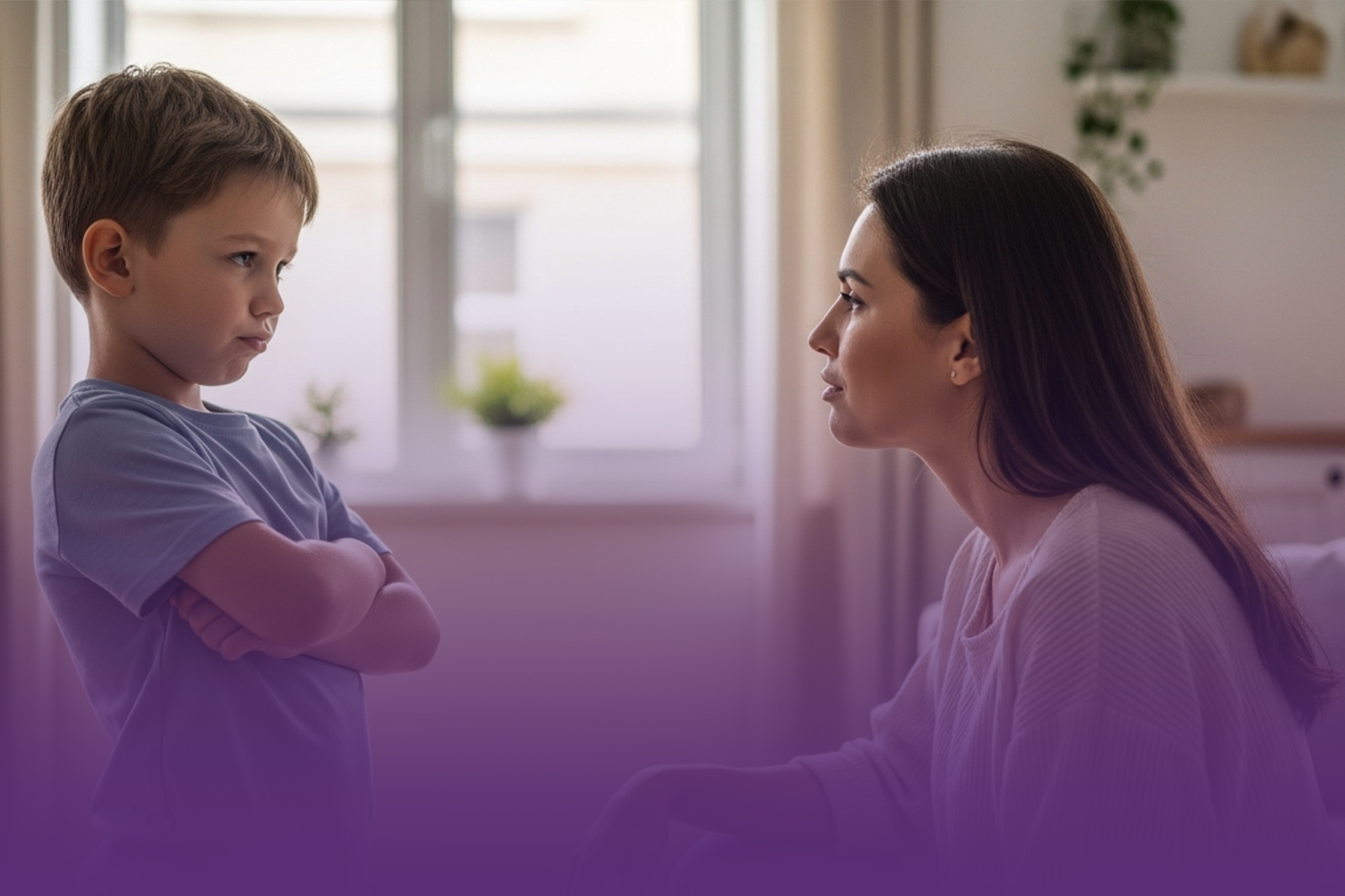
KNooz Academy for Training offers a practical program titled Smart Parenting for Stubborn Kids, designed to help parents and educators deal with stubbornness in children in a scientific and effective manner. The course aims to empower families to understand the underlying reasons behind a child’s stubbornness and apply positive educational techniques that transform stubbornness into positive independence, based on mutual understanding and respect.
This program combines modern educational principles with smart communication techniques, teaching parents how to manage a stubborn child’s behavior and handle their stubbornness in a balanced way, avoiding punishment or yelling, while focusing on positive discipline for children.
The Importance of Dealing with Stubbornness in Children
Dealing with stubbornness in children is one of the most common parenting challenges. Stubbornness is not inherently bad; it is often an expression of a child’s desire to assert their independence. Therefore, the program aims to help families understand the psychological and behavioral causes of stubbornness and create a bridge of communication that strikes a balance between firmness and flexibility.
Understanding the Motivations Behind Stubbornness
Many children suffer from misunderstandings from their parents, causing natural persistence to escalate into stubbornness. The course explains how to differentiate between healthy stubbornness and negative defiance.
The Role of the Environment in Shaping Behavior
The course clarifies the impact of parenting and the home environment on raising a stubborn child, and how these factors can be adjusted to support positive behavior and manage stubbornness effectively.
Raising a Stubborn Child with a Smart and Balanced Approach
Raising a stubborn child requires awareness and patience, as stubbornness is often a way for the child to express themselves, not to rebel. This program provides parents and educators with effective tools to manage daily situations without losing control or getting into exhausting conflicts.
Positive Communication with the Child
The course relies on effective dialogue techniques to defuse confrontations and turn arguments into opportunities for teaching and understanding.
Setting Clear Boundaries
One of the fundamentals of managing a stubborn child is establishing clear, agreed-upon boundaries that are enforced with calm and consistency, ensuring discipline without escalation.
Building Trust and Responsibility
When a child feels trusted and responsible, their need to use stubbornness as a means of self-expression diminishes.
Tips for Correcting Daily Behavior in Stubborn Children
The course offers a range of tips for parents of stubborn children to help restore balance to their behavior at home and school in an engaging and easy-to-apply way.
Motivation Over Punishment
Using rewards and verbal encouragement instead of direct punishment increases a child’s willingness to accept guidance.
Active Listening
When children feel that their parents truly listen to them, their resistance decreases, making it easier to manage stubborn behavior.
Consistency in Decisions
Consistency and discipline in applying rules prevent children from repeatedly testing boundaries and motivate them to comply.
Scientifically Managing the Behavior of Stubborn Children
The course focuses on practical strategies to help families manage the behavior of stubborn children through real-life activities and examples.
Using Positive Body Language
Eye contact and a calm tone of voice enhance the child’s response to guidance without resistance.
Providing Limited Choices
One of the best ways to reduce confrontation is to offer the child a choice between two acceptable options.
Anticipating Negative Behavior
Paying attention to early signs of anger or rejection can help avoid situations from escalating.
The Stubborn Child at Home and School
The course delves into handling stubborn children both at home and in school, where approaches differ depending on the environment, requiring a balanced educational strategy.
At Home: Firmness with Affection
Parents are encouraged to combine firmness with love, as a relationship based on mutual understanding reduces the manifestations of stubbornness.
At School: Collaboration Between Teachers and Parents
Teachers learn how to manage classroom situations without conflict with stubborn children at home and school through positive guidance.
Continuous Monitoring
Unifying educational messages between home and school creates a supportive environment for behavior modification.
Strategies for Dealing with Stubbornness in Children
The program presents the most effective strategies for handling stubbornness based on the latest educational and psychological studies, making it easier to manage daily situations without stress.
Managing Parental Emotions
Parents learn how to control their emotions during confrontations, as mutual anger only increases stubbornness.
Focusing on Behavior, Not Character
Focusing on the wrong action rather than labeling the child as stubborn creates a healthy educational atmosphere.
Leading by Example
Children imitate adults, so it is important for parents to demonstrate calmness and discipline in their own actions.
The Challenging Independent Child and Their Role in Psychological Growth
The course explores the concept of the “challenging independent child,” one who seeks to rely on themselves but struggles with accepting guidance, which sometimes leads to stubbornness.
Understanding Their Emotional Needs
This type of child needs more nurturing than control, allowing their independence to become a positive driving force.
Balancing Freedom and Discipline
Providing space for choice within established limits ensures balanced growth.
Developing a Sense of Responsibility
When children are involved in daily decisions, their commitment increases and stubborn behavior decreases.
Positive Discipline for Children as the Foundation of Modern Parenting
Positive discipline is one of the core concepts in this course’s philosophy, focusing on building the relationship rather than enforcing control.
Communication Before Correction
Calm dialogue is more effective than direct commands, and helps manage stubbornness and handle it in a civilized manner.
Guiding Through Example
Children learn from role models, so parents should exhibit the desired behavior themselves.
Giving Opportunities for Self-Correction
Allowing children to correct their own mistakes enhances self-respect and internal discipline.
Managing Stubbornness in Children with Intelligence and Flexibility
At the conclusion of the program, parents learn to manage stubbornness in children in a flexible manner based on understanding the situation rather than suppressing it.
Through practical exercises provided by KNooz Academy’s experts, parents learn how to transform defiant behavior into constructive dialogue that fosters understanding and family calm.
Developing Parenting Skills
Parents learn positive thinking skills and effective conflict resolution techniques with their children.
Strengthening the Family Bond
Communication within the family becomes warmer and more respectful, reducing arguments and tension.
Turning Stubbornness into Positive Power
A stubborn child can develop into a leader capable of making decisions with confidence and responsibility.
Outcomes of the Smart Parenting for Stubborn Kids Course by KNooz Academy for Training
After completing the course, participants will be able to:
- Apply the best strategies for handling stubbornness successfully.
- Use effective techniques to manage a stubborn child’s behavior with awareness and patience.
- Enhance positive discipline principles in their daily lives.
- Transform a stubborn child at home and school into a model of cooperation and responsibility.
- Build a healthy family relationship based on understanding and mutual respect.
Understanding a stubborn child does not mean suppressing their will; it means guiding it in the right direction with love, patience, and wisdom.
Through the Smart Parenting for Stubborn Kids program by KNooz Academy for Training, parents can achieve the perfect balance between firmness and affection, mastering the art of managing stubbornness in children in a way that builds trust and internal discipline.
The goal is not to eliminate stubbornness but to turn it into a positive energy that contributes to raising a responsible and successful child.
Reviews
There are no reviews yet.