






Description
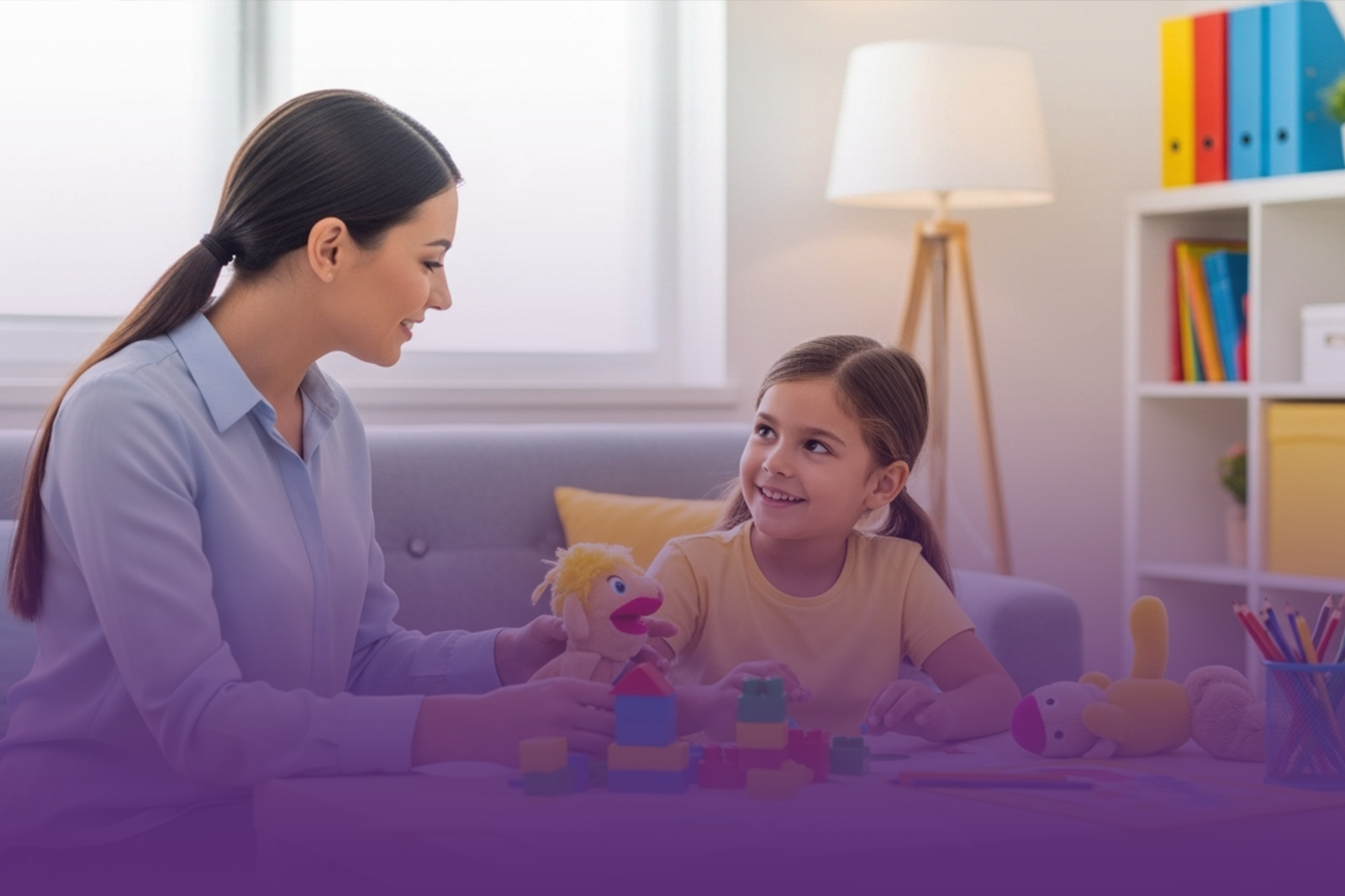
Play Therapy for Kids
KNooz Academy for Training offers the Play Therapy for Kids course, designed to introduce educators, therapists, and parents to the concept of play therapy as an effective tool for improving a child’s psychological and behavioral condition.
The course focuses on how to use interactive activities and structured games to develop children’s skills through play and enhance their ability to express themselves in a natural and safe way.
Play Therapy is one of the most important modern therapeutic approaches for children, as it allows them to express their internal feelings symbolically, without the need for words. This process helps support their psychological and social growth and improves communication with others.
Understanding the Nature of the Child in Play Therapy
This section aims to help families understand the characteristics of a child undergoing play therapy and recognize the factors that contribute to psychological or emotional challenges. Knowing the causes is the first step toward finding solutions.
Psychological and Behavioral Causes
Some children experience anxiety or psychological stress that leads to fragmented speech and difficulty expressing themselves in a natural way.
Genetic and Environmental Factors
Strict environments or a lack of family dialogue may contribute to the development of issues in children, necessitating early intervention.
Play Therapy as a Modern Approach to Child Interaction
This section highlights the concept of Play Therapy from a scientific and behavioral perspective, explaining how to use play as a therapeutic tool.
Symbolic Play
Symbolic play allows the child to project their feelings and life experiences onto the toys, making it easier to understand their psychological state.
Psychological Safety in Sessions
The therapist creates a safe environment that helps children learn through play without pressure or judgment.
Therapeutic Relationship
The relationship between the child and therapist is key to the success of play therapy, as it provides the child with the trust needed to express their emotions.
Developing Children’s Skills through Play as the Foundation for Balanced Growth
The course introduces interactive activities designed to develop cognitive, social, and linguistic skills through play, promoting balanced growth.
Fine Motor Skills
Playing with small toys like blocks or colors develops focus and precision.
Social Skills
Group games enhance cooperation and improve communication within a supportive environment, promoting psychological and social development.
Creative Skills
Open-ended play encourages children to think creatively and solve problems in a flexible manner.
Teaching Children Through Play in Home and Educational Environments
This section emphasizes the importance of using play as an effective tool for learning in both home and school settings.
Educational Activities
Incorporating educational concepts into fun activities, such as counting, reading, and language development, enhances learning.
Enhancing Memory and Attention
Educational play stimulates the brain, boosting the child’s ability to focus and absorb information.
Involving Parents in Learning
The program encourages parents to spend time playing with their children to strengthen trust and foster collaboration.
Supporting Psychological and Social Growth Through Play
Supporting psychological and social growth is one of the key goals of play therapy, as it helps the child develop a balanced personality.
Building Self-Confidence
When the child is given the freedom to express themselves during play, their sense of competence and independence is strengthened.
Dealing with Negative Emotions
Play allows the child to express feelings of anger or fear in a non-harmful way, which is essential in addressing emotional challenges.
Social Interaction
Group play develops communication skills and encourages the child to engage positively with others.
Addressing Children’s Behavioral Issues Through Interactive Activities
The course utilizes a variety of interactive activities to help children overcome behavioral or emotional difficulties.
Sensory and Motor Activities
Activities like coloring and sports help calm tension and regulate emotions.
Emotional Expression Activities
Drawing and acting are effective tools in play therapy to release pent-up emotions.
Empathy and Cooperation Activities
Group exercises promote participation and contribute to supporting psychological and social development.
Educational Activities for Children Within Therapy Sessions
The Play Therapy for Kids course includes a variety of educational activities designed to improve mental and social capabilities.
Memory and Attention Games
Exercises based on pictures and colors stimulate memory and enhance observation skills.
Group Interaction Games
These activities enhance speaking and listening skills within a supportive environment.
Problem-Solving Games
These games help children think logically and develop problem-solving skills that are applicable in daily life situations.
Play Therapy and Its Role in Building Confidence and Expression
Play therapy is a central theme in this course, providing children with the opportunity to express themselves freely without fear or hesitation.
Free Play Techniques
Allowing the child to play freely reveals their true feelings, which they can express naturally.
Guided Play
This method, used by therapists, helps achieve specific therapeutic goals during play therapy sessions.
Assessment and Observation
Through play, therapists can identify psychological or behavioral issues and apply appropriate Play Therapy techniques.
Developing Emotional Intelligence in Children Through Play
The course helps parents and educators develop children’s emotional intelligence, enabling them to understand and manage their emotions properly.
Recognizing Emotions
Teaching children to name their emotions, such as sadness or anger, is the first step toward emotional balance.
Managing Reactions
Play helps release negative energy in a healthy way, which has a positive impact on overall mental health.
Building Empathy
Through group activities, children learn to appreciate the feelings of others as part of their emotional development.
Effective Techniques for Working with Children Through Play for Parents and Educators
This course teaches participants effective techniques for engaging with children through play, improving communication and strengthening family and educational bonds.
Active Listening
Encouraging parents to observe the child’s behavior during play to understand their emotions without excessive intervention.
Using Play as a Learning Tool
Turning everyday situations into games makes it easier to connect with the child.
Building Mutual Trust
Joint play strengthens bonds and enhances the outcomes of play therapy.
Outcomes of the Play Therapy for Kids Course by KNooz Academy for Training
After completing the course, participants will be able to:
- Apply Play Therapy techniques in home and educational environments.
- Conduct play therapy sessions using pedagogical and humane approaches.
- Design effective activities to develop children’s skills through play.
- Implement educational activities to enhance memory and expression.
- Support psychological and social growth through interactive games.
- Apply therapeutic methods to address children’s behavioral issues through play.
- Enhance communication skills in children through play-based techniques.
Play Therapy for children is not just a form of entertainment, but a scientific and artistic approach that restores emotional and psychological balance. Through the Play Therapy for Kids course by KNooz Academy for Training, parents and educators learn how to use play as a bridge for communication and as an effective tool for teaching and developing children’s emotional intelligence.
Every moment of play is an opportunity for healing and growth, and every fun session contributes to building a more aware, confident, and happy generation.
Reviews
There are no reviews yet.