






Description
Expressive Quiet Kids Course
KNooz Academy for Training offers the Expressive Quiet Kids course to help families and educators understand the quiet child at home, who finds it difficult to express their thoughts or emotions.
This course aims to transform silence and shyness into effective communication through educational activities and methods that contribute to building an open and confident personality. It focuses on teaching parents how to help their children express their feelings in practical ways, helping them understand themselves and interact confidently with others.
Understanding the Quiet Child at Home
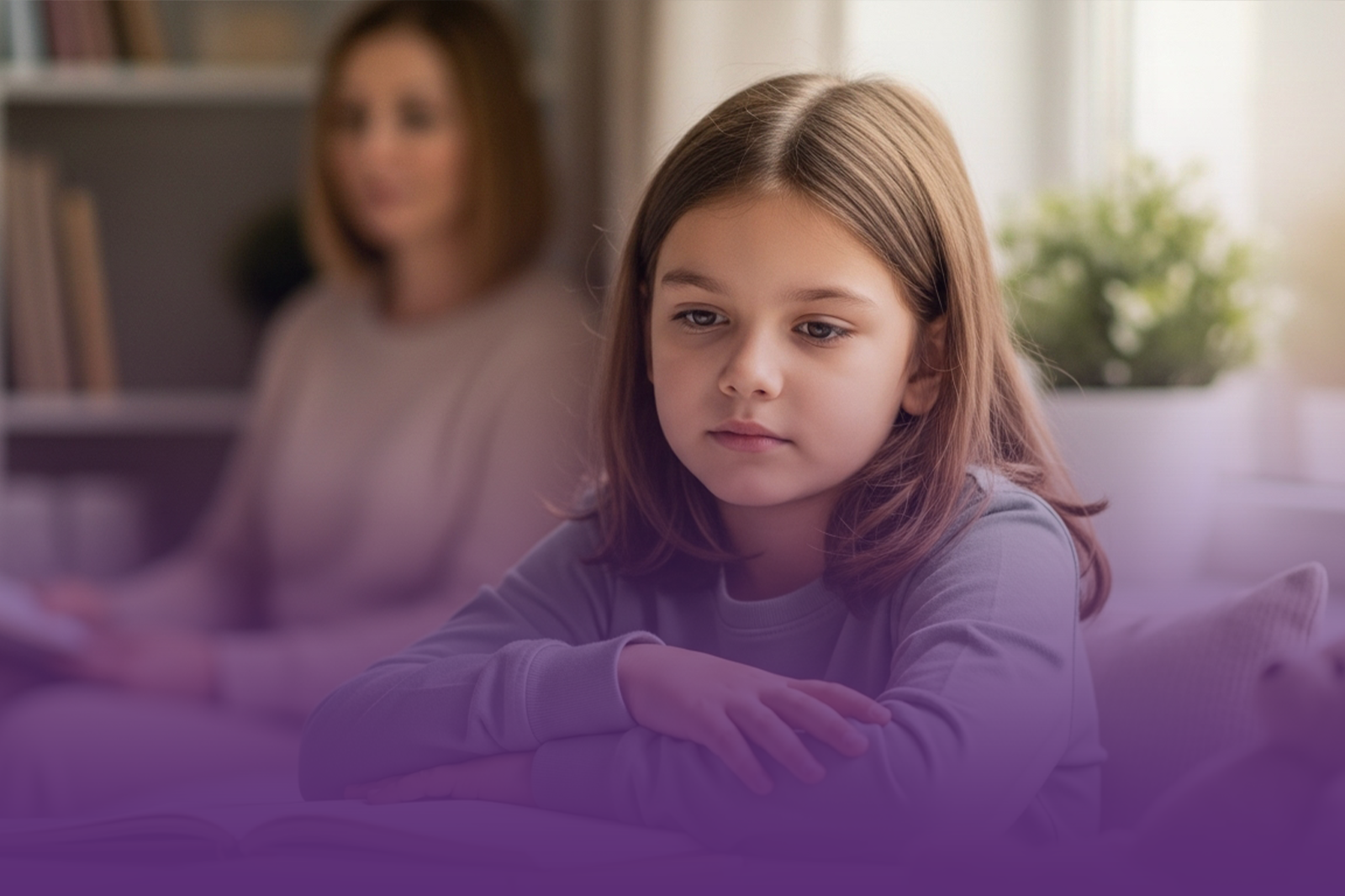
The quiet child is often among the most sensitive and affected by the environment around them. They often have a rich inner world full of thoughts and feelings, but they struggle to express them.
This course explains the psychological and social reasons behind a child’s silence, and how families can handle it with intelligence and empathy.
Psychological Reasons for Silence
Fear of rejection or criticism might be one of the reasons the quiet child avoids speaking or participating.
The Family’s Impact on Behavior
The way communication happens within the family plays a significant role in determining how comfortable the quiet child feels when it comes to opening up and interacting.
Teaching the Child to Express Their Feelings
This section helps parents and teachers learn how to teach the child to express their feelings in a healthy and effective way, providing emotional balance and reducing inner anxiety. Expression is a skill that can be developed through practice and daily effort.
Encouraging Daily Conversations
Setting aside time each day to talk with the child about their experiences helps break the silence barrier.
Using Stories and Games
Stories are an effective way to teach the quiet child how to express emotions through fictional characters.
Listening Without Interrupting
Giving the child the chance to speak without corrections or rushing them makes them feel accepted and builds confidence.
The Child Who Doesn’t Express What They Feel
The Expressive Quiet Kids course focuses on the concept of the child who doesn’t express their feelings, describing it as a situation that requires understanding, not pressure.
Parents are guided to adopt gentle methods that encourage the child to talk without forcing them or blaming them.
Building Psychological Safety
Creating a safe environment where the child feels secure to speak eliminates the internal tension preventing them from expressing themselves.
Respecting Personal Space
Not all silence is a problem; some children need more time to express their thoughts.
Connecting Words with Feelings
Encouraging the child to describe how they feel with words helps them learn how to express their emotions naturally.
Tips for Encouraging Communication in Introverted Children
The course offers a range of tips for parents of introverted children to help their children overcome isolation and build healthy relationships.
Avoiding Comparisons
Never compare the quiet child to other more outgoing children, as it undermines their self-confidence.
Shared Interaction
Simple group activities, like cooking or coloring, foster quiet interaction with others.
Praising Efforts
Every step toward expression is an achievement that should be praised, boosting the child’s initiative.
Building Self-Confidence in Quiet Children
Building self-confidence in quiet children is crucial. Confidence opens the door to communication and sharing. This course offers practical techniques to increase the child’s confidence, making them more ready to express themselves.
Self-Acceptance
Teaching the child to accept their feelings and mistakes without fear or shame enhances their internal balance.
Encouraging Independence
Allowing the child to make small choices in their daily life supports their personality and reduces their tendency to be silent.
Praising Small Achievements
Valuing the effort, not just the result, helps build self-respect and encourages the child to speak more.
The Quiet Child at School
This section focuses on the quiet child at school who hesitates to participate in class, even though they have good knowledge. The course teaches teachers how to identify these cases and handle them without embarrassment or pressure.
Creating a Supportive Classroom Environment
Encouraging group discussions and small activities helps the child gradually integrate into the class.
One-on-One Communication
Building a trusting relationship between the teacher and child allows the child to speak more comfortably.
Supporting Gradual Participation
Starting with simple tasks, like reading a short paragraph, opens the door for greater participation in the future.
Ways to Encourage the Child to Speak and Interact
This section focuses on methods for encouraging the quiet child to speak, using a pedagogical approach based on patience, gradual steps, and positive reinforcement. These methods are essential for building effective communication skills in the quiet child at home.
Dialogue Games
Using Q&A games encourages the child to talk in a fun and engaging way.
Creative Activities
Drawing, acting, and music are effective tools to help the quiet child express themselves in non-verbal ways.
Using Daily Stories
Talking about simple life situations helps the child, who does not express what they feel, interact without tension.
Communication Skills for Children
The course helps develop communication skills in children progressively, matching their age and abilities. Communication is not just about talking; it includes body language, gestures, and active listening.
Positive Interaction Techniques
Teaching the child how to start and end conversations politely and clearly.
Non-Verbal Communication
Enhancing body language, smiling, and eye contact to increase social integration.
Building Flexibility in Dialogue
Encouraging the child to accept different viewpoints to build trust and open-mindedness.
Supporting the Quiet Child in Their Daily Environment
The Expressive Quiet Kids course concludes with guidelines on how to support the quiet child in their home and school environments, ensuring continued progress in their communication skills. The plan includes simple follow-up methods for both parents and teachers to track development over time.
Continuous Monitoring
Taking notes on the child’s progress in communication helps adjust techniques effectively.
Cooperation Between Home and School
Collaborating between parents and teachers enhances the course’s outcomes and contributes to balance.
Moral Encouragement
Praising the quiet child’s continuous efforts makes them feel safe and motivated to continue.
Outcomes of the Expressive Quiet Kids Course by KNooz Academy for Training
After completing the course, parents and educators will be able to:
- Understand the personality of the quiet child at home and handle them with awareness.
- Apply techniques for teaching the child to express their emotions with confidence.
- Use tips for introverted children in daily situations.
- Build foundations for enhancing self-confidence in children.
- Effectively encourage the quiet child to speak.
- Develop communication skills in children in a holistic manner.
- Ensure sustainable support for the quiet child throughout their academic and social life.
The quiet child at home is not lacking in character, but needs an environment that understands their silence and supports them without pressure.
Through the Expressive Quiet Kids course by KNooz Academy for Training, parents learn the art of listening and encouraging communication to build relationships based on trust and dialogue.
By applying techniques to help the child express their feelings and encouraging them to speak, the quiet child can transition from silence to active participation in every area of life.
Reviews
There are no reviews yet.